Approach

How I introduce systems engineering

Every team already has a way of working. My job is to give it a shared structure, one that connects what the mission needs to what each engineer designs and tests, without slowing the work down.

Clarity first: every team should know what matters, why it matters, and how we’ll prove it.

01
Start from how the team works
Their tools, their data, their rhythm.
02
Trace everything to the mission
Every requirement answers to a measure of success.
03
Scale rigor with maturity
Light at low TRL, strict when it is time to prove.

01 · My method

Six steps, from first conversation to everyday practice

Each step builds on the one before, so the team adopts the process instead of having it imposed.

Listen before proposing

I start by mapping how the team already works: the tools they use, where their data lives, how decisions get made and where things fall through the cracks. No new process before I understand the existing one.

What the team gets

A process designed around their reality, not a textbook.

02 · The V-model

From mission to evidence

This is the backbone I build on every programme, following the V-model. Select a step to see the question it answers.

The whole process is iterative: each step loops back with its neighbours as the system matures. Integration and tests run bottom-up, from component to sub-system to system level; each level is verified against its counterpart on the left, and the results feed back into the TPMs and decisions.

MissionWhat is the mission for, and what counts as success?

03 · Across TRLs

Same principles, adapted rigor

A research team exploring the physics and a team qualifying flight hardware need different things from systems engineering. I adapt the formality to the maturity of the work, not the other way round.

The team needs

Freedom to experiment and learn fast, with the key unknowns made visible.

Formality

SE delivers

  • Assumption and decision log
  • Key parameters and their uncertainty
  • Early interface map
  • TPMs used as learning targets
  • Explicit go / no-go criteria

What I avoid

Freezing requirements before the physics is understood.

Example

Greenerwave · feasibility study

04 · Case stories

How it played out

Low TRL

Safran Passenger Innovations

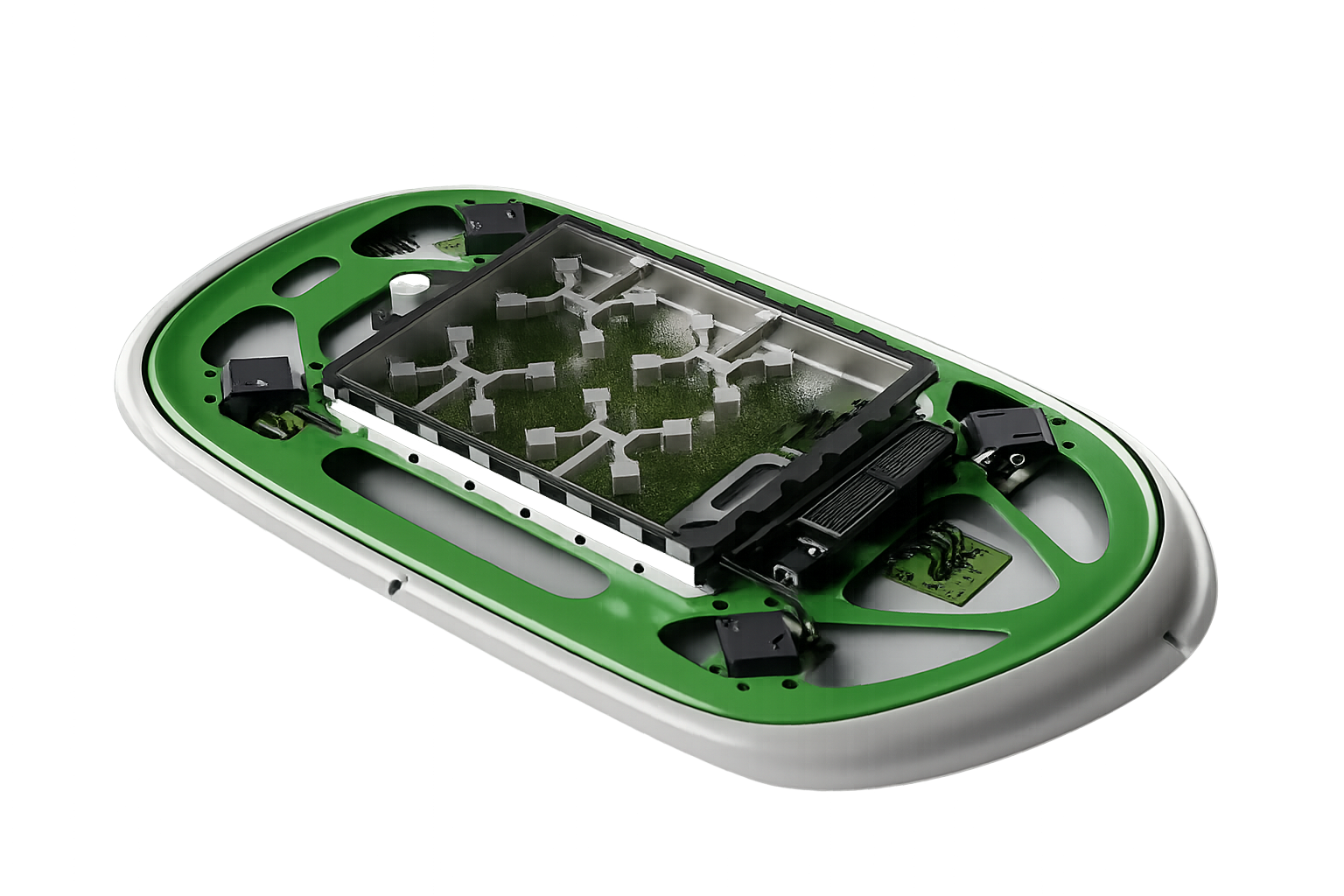
Assessing a new antenna technology for aviation

  1. Situation

    A metasurface antenna promising lower cost, weight and power had proven itself on the ground but had never been taken towards aviation. The question was whether it could become part of an existing airborne SATCOM product.

  2. What I did
    • Built the mission concept for an aviation use case
    • Defined the aviation constraints and stakeholder requirements
    • Iterated on design options with the technology partner
    • Kept a shared risk register with internal and external stakeholders
  3. Outcome

    A clear, evidence-based maturity call: the technology was not yet ready for aviation. The work was paused with requirements, risks and findings captured, ready to resume when the technology matures.

A well-founded “not yet” is a valid outcome of systems engineering.

See the project →
Mid TRL

Dcubed · ongoing

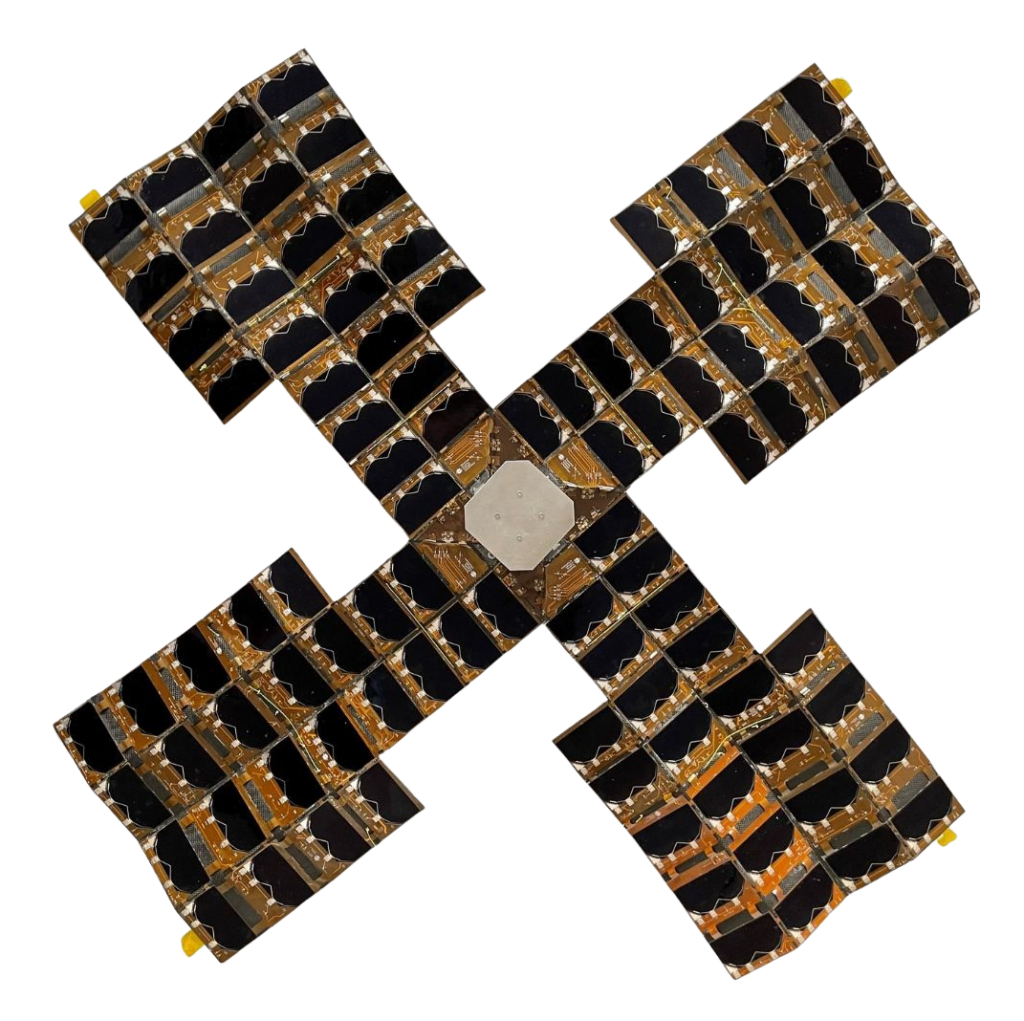
Steering an in-space manufacturing mission with MoEs and TPMs

  1. Situation

    A multidisciplinary team building a first-of-its-kind in-space manufacturing mission. As the design matured, the team needed a clear way to connect everyday engineering decisions to what the mission has to achieve.

  2. What I did
    • Derived Measures of Effectiveness (MoEs) from the mission success criteria: what the mission must achieve, in terms the customer cares about
    • Defined Technical Performance Measures (TPMs) with target values, so the team can see whether the design is converging on them
    • Traced each TPM to the requirements that drive it, and improved the requirements structure in Jama Connect: hierarchy, owners, compliance status, verification method
    • Writing the System Design Description, the system verification plan and the AIT plan
    • Coaching engineers in applying SE methods to their day-to-day work
  3. Outcome

    Requirements now trace back to TPMs and MoEs, so design trade-offs are discussed against what the mission actually needs. Tracking is easier, and engineers have started using SE methods in their everyday work.

MoEs derived from mission success criteria
TPMs tracking design convergence
Jama improved requirements structure
See the project →
High TRL

Safran Passenger Innovations

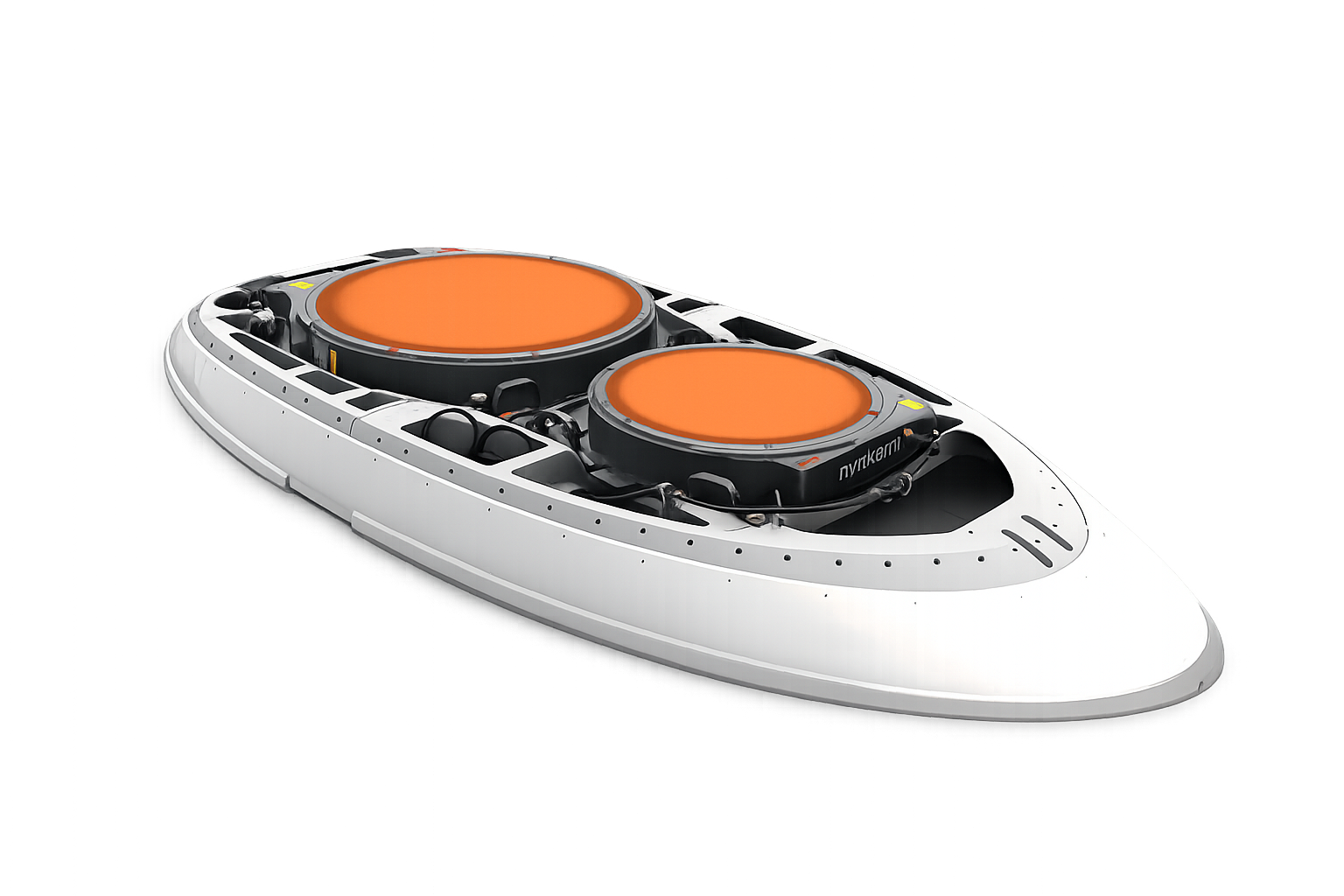
From requirements to verified coverage in an airborne SATCOM programme

  1. Situation

    An airborne Ka/Ku-band SATCOM system with 4,000+ requirements across hardware, software and RF, reviewed with customers and external partners. Closing those reviews meant showing, requirement by requirement, how each one was verified. The software team worked in Jira, outside the SE tool chain.

  2. What I did
    • Linked requirements to the software verification reports, in the SE tools and in Jira, giving a clear view of verification coverage and open gaps
    • Defined the means of verification for each requirement and derived test cases from the MBSE functional and component scenarios
    • Consolidated the stakeholder requirements and wrote the System Requirements Document, traced down to every lower-level requirement
    • Wrote the Software Requirements Document, with attributes (software components, topics) that map directly onto the software team’s existing workflow
    • Built the MBSE model and brought it into design reviews with external stakeholders
    • Reworked the change-request process so every change is logged, turned into requirements and traced through to verification
    • Published SE guidelines on Confluence and SharePoint and coached colleagues through them
  3. Outcome

    Verification coverage became visible at a glance: for every requirement, the team and the customer could see how it was verified and what was still open. Reviews with customers could be closed on clear evidence, and the software team could confirm its work was complete. External stakeholders gave direct positive feedback, the SE team grew from 3 to 13 people, and management added Polarion to the tool chain.

4,000+ requirements traced to verification
3 → 13 SE team size
Polarion added to the tool chain

Clear verification coverage turns a customer review from a discussion into a check.

See the project →

See the evidence

Every step above links to real work. Browse the projects and roles behind it, or get in touch.